The Star Trek Replicator is Real: Inside the 3D Food Printing Revolution


I was lounging on my couch the other night, deep into a classic Star Trek marathon, and I couldn’t stop staring at those food replicators. You know the ones—where a character just asks the machine for a hot meal, and it materializes out of thin air. I found myself wondering when that would actually become our reality.
So, I fell down a massive rabbit hole into the latest food tech, and the truth genuinely shocked me.
3D food printers are no longer just a sci-fi dream locked away in some futuristic lab; they are literally entering our kitchens right now. I think it is absolutely mind-blowing that we can now print everything from cell-cultured meats to personalized vitamins, layer by layer, pixel by pixel. We are looking at a fundamental shift in how we survive and thrive. Instead of picking up a chef’s knife, we are going to be using code to prepare our meals.
Cooking with Code, Not Knives
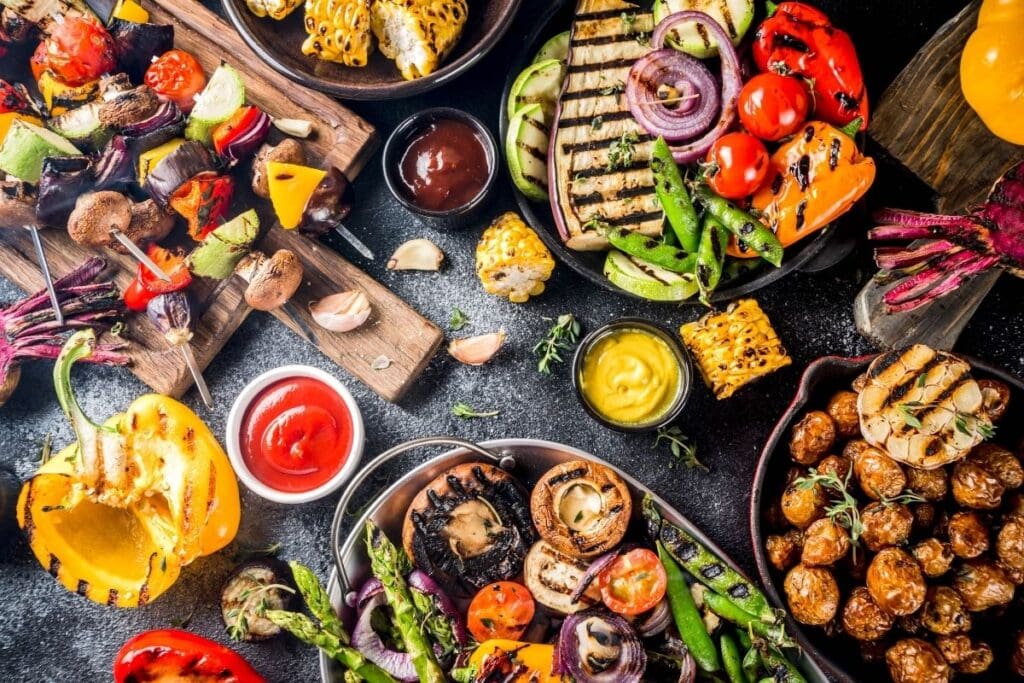
When I first heard about “3D printed food,” I pictured a machine spitting out gross, plastic-looking, tasteless paste. I couldn’t have been more wrong.
The tech works similarly to a regular 3D printer, but instead of plastic filaments, these machines extrude edible ingredients. Purées, doughs, liquid cheeses, and even lab-grown animal cells are precisely layered to build complex, textured meals.
Here is what is actually happening right now in the food tech space:

- Cell-Cultured Steaks: Startups are successfully printing meat that mimics the exact muscle and fat structures of traditional beef, without harming a single cow.
- Hyper-Personalized Nutrition: Imagine waking up, stepping on a smart scale, and having your kitchen print a breakfast bar fortified with the exact macro-nutrients and vitamins your body needs that specific morning.
- Zero-Waste Dining: By using precisely measured “food cartridges,” these printers drastically cut down on food waste, utilizing every single gram of the ingredient.
Will We Just Download Our Dinner?

What really gets me excited—and a little bit terrified—is the concept of downloading our food.
Think about it. In the near future, you might not go to the grocery store to buy ingredients for a famous chef’s signature dish. Instead, you will just purchase the digital file. You download the recipe code, send it to your smart kitchen printer, and watch your dinner materialize. It completely democratizes fine dining, turning culinary arts into a digital commodity.
While researching all of this, I realized that this isn’t just a fun gimmick for rich tech bros. This technology has the serious potential to solve global food supply chain issues, make space travel more viable, and drastically reduce the carbon footprint of our current agricultural system.
The Future is Being Coded on Our Plates

It is a wild time to be alive. We are bridging the gap between digital software and physical, edible hardware. The transition won’t happen overnight, but the foundational tech is already here and improving exponentially. The future is not fiction anymore; it is being coded right here, right now, straight onto our dinner plates.
But here is where I really want to know where you stand on this. I’m genuinely torn between the amazing convenience and the nostalgia of traditional cooking.
If someone handed you a perfectly cooked, beautifully marbled, delicious-smelling steak… and then told you it was printed from a cartridge in a lab, would you actually eat it?
Drop your thoughts in the comments below. Come on, hit subscribe and support the journey—let’s figure out this crazy future together!
You Might Also Like;